

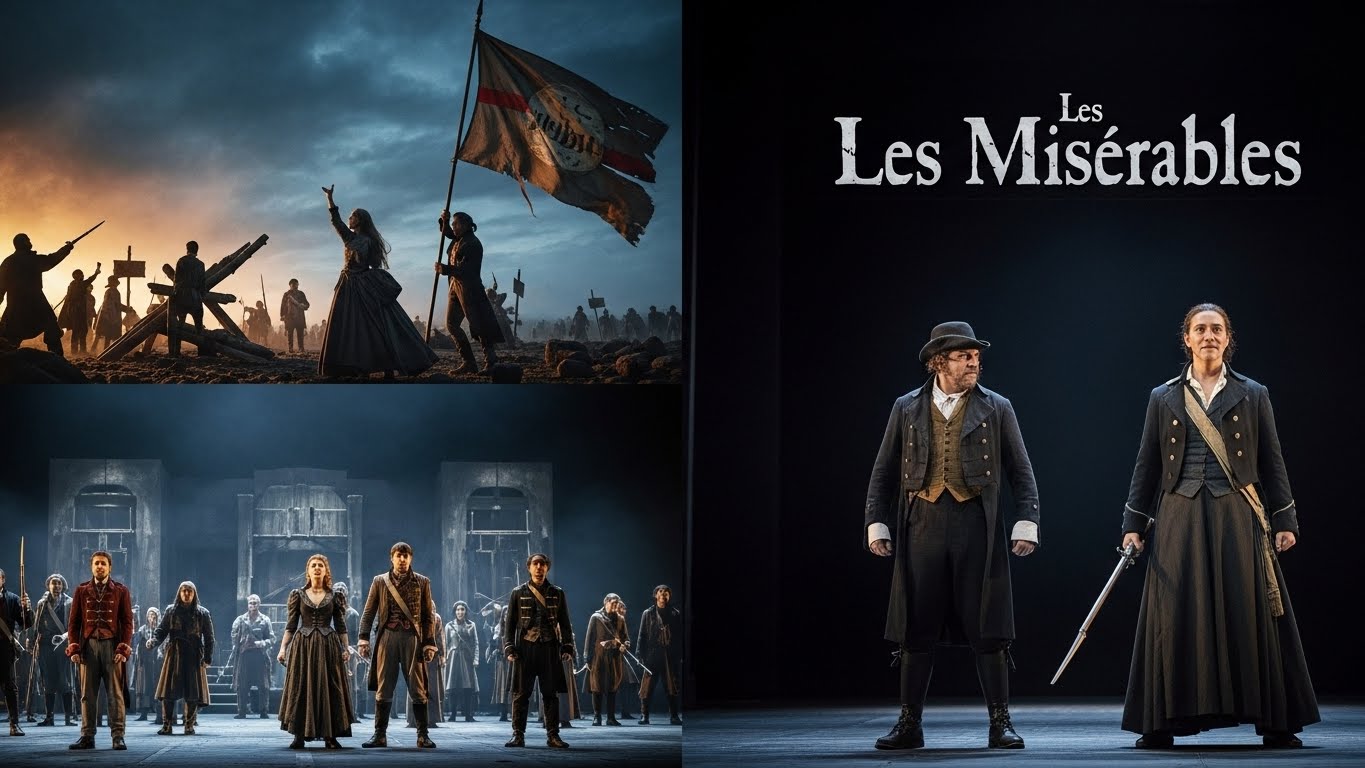
Musicals based on books have long held a special place in the world of theatre, creating a powerful bridge between written literature and live performance. When a beloved novel is transformed into a musical, it becomes something like an immaculate grid of storytelling, where dialogue, music, emotion, and visuals align perfectly. This balance allows audiences to experience familiar stories in an entirely new way while preserving the depth and heart of the original text. From classic literature to modern novels, book-inspired musicals continue to shape Broadway, West End, and global theatre culture.
Understanding the Appeal of Musicals Based on Books in Modern Theatre
Musicals based on books attract audiences because they combine two strong creative forces: literary storytelling and musical expression. Books already provide structured plots, developed characters, and emotional arcs, making them ideal foundations for theatrical adaptation. When composers and lyricists step into this framework, they add rhythm, melody, and spectacle, creating an experience that feels complete and immersive.
In many ways, adapting novels into musicals resembles solving an immaculate grid, where every creative choice must align with the original narrative. The challenge is not just telling the story but translating inner thoughts, symbolism, and pacing into songs and scenes that feel natural on stage. This process explains why the most successful adaptations are those that respect the source material while embracing theatrical innovation.
The Historical Evolution of Musicals Based on Books
The tradition of musicals based on books is not new. Early musical theatre often borrowed stories from classic novels, folklore, and plays. Over time, these adaptations became more refined, focusing on emotional depth rather than just spectacle. As literacy increased and novels became more widely read, audiences developed a deeper connection to literary characters, increasing demand for faithful yet creative stage versions.
During the twentieth century, Broadway and the West End saw a surge in book-based musicals that redefined the genre. These productions proved that literature could thrive on stage without losing its complexity. Below is a small historical overview presented within a paragraph using a table format for clarity.
| Era | Literary Influence | Impact on Musical Theatre |
|---|---|---|
| Early 1900s | Classic novels and folklore | Established adaptation traditions |
| Mid 1900s | Popular novels and plays | Emotional depth and character focus |
| Late 1900s | Modern fiction | Complex themes and realism |
| 21st Century | Bestsellers and fantasy | Global appeal and innovation |
This evolution shows how book-based musicals grew alongside changing audience expectations, maintaining relevance across generations.
Why Musicals Based on Books Feel Emotionally Complete
One reason musicals based on books resonate so strongly is their emotional completeness. Books allow readers to connect deeply with characters over time, while musicals amplify those emotions through music. Songs act as emotional shortcuts, expressing feelings that might take pages to describe in prose.
This harmony between narrative and melody forms an immaculate grid of emotion, where nothing feels out of place. When done correctly, each song advances the plot or reveals character motivations, ensuring that the story never stalls. Audiences leave the theatre feeling that they have both read and lived the story.
Famous Examples That Defined Musicals Based on Books
Some musicals based on books have become cultural landmarks, shaping theatre history and popular culture. These adaptations often achieve success because they respect the essence of the book while making bold artistic choices. The table below highlights how different literary genres have influenced stage adaptations, presented naturally within the discussion.
| Book Genre | Musical Style | Audience Impact |
|---|---|---|
| Classic Literature | Orchestral and dramatic | Timeless appeal |
| Romance | Melodic and emotional | Strong emotional connection |
| Fantasy | Grand and cinematic | Visual spectacle |
| Social Commentary | Intimate and reflective | Thought-provoking themes |
Each category demonstrates how literature offers flexible foundations for musical storytelling, allowing creators to design productions that appeal to diverse audiences.
The Creative Process Behind Adapting Books into Musicals
Transforming a book into a musical is a complex creative process. Writers must decide which scenes to keep, which characters to combine, and which moments deserve musical expression. Unlike films, musicals rely heavily on live performance, meaning pacing and emotional flow must be carefully balanced.
This process mirrors the logic of an immaculate grid, where every creative element must fit seamlessly. A single misplaced song or rushed scene can disrupt the entire production. Successful adaptations are those where music, lyrics, and narrative work together to preserve the soul of the book while enhancing its theatrical power.
Challenges Faced by Musicals Based on Books
Despite their popularity, musicals based on books face unique challenges. Fans of the original novel often have strong expectations, making it difficult for adaptations to satisfy everyone. Cutting subplots, altering endings, or reimagining characters can spark controversy.
Another challenge lies in condensing long novels into a few hours of stage time. Writers must prioritize emotional beats over detailed exposition. When done poorly, adaptations can feel rushed or shallow. When done well, they feel like distilled versions of the book, capturing its essence without unnecessary complexity.
How Musicals Based on Books Attract New Readers
Interestingly, musicals based on books often encourage audiences to explore the original literature. Viewers who fall in love with a stage adaptation frequently seek out the book to experience the story in its original form. This cross-media relationship benefits both theatre and publishing industries.
In this sense, musicals serve as gateways to literature, especially for younger audiences. By presenting stories through music and performance, they make complex narratives more accessible, sparking curiosity and emotional investment that leads back to reading.
The Role of Music in Enhancing Literary Themes
Music plays a crucial role in translating literary themes into theatrical experiences. Themes such as love, loss, ambition, and identity become more immediate when expressed through song. A well-composed musical number can encapsulate an entire chapter’s worth of emotion in just a few minutes.
This efficiency is why musicals based on books often feel intense and emotionally charged. The combination of lyrics and melody creates a layered storytelling approach, reinforcing themes while maintaining narrative momentum. The result is an experience that feels both intimate and grand.
The Future of Musicals Based on Books in Global Theatre
The future of musicals based on books looks promising as new novels continue to capture global attention. With advancements in stage technology, lighting, and sound design, adaptations can now achieve levels of immersion previously impossible. This allows even complex or fantastical books to be brought to life convincingly.
As audiences continue to value strong storytelling, book-based musicals will remain relevant. They offer familiarity without predictability, blending known narratives with creative interpretation. Like an immaculate grid, these productions succeed when every element aligns, creating theatre that feels meaningful, memorable, and complete.
Why Musicals Based on Books Remain Timeless
Ultimately, musicals based on books endure because they tap into humanity’s love for stories. Books provide depth, while musicals provide immediacy. Together, they create experiences that transcend time and culture. Whether adapted from centuries-old classics or contemporary novels, these musicals remind us why storytelling matters.