

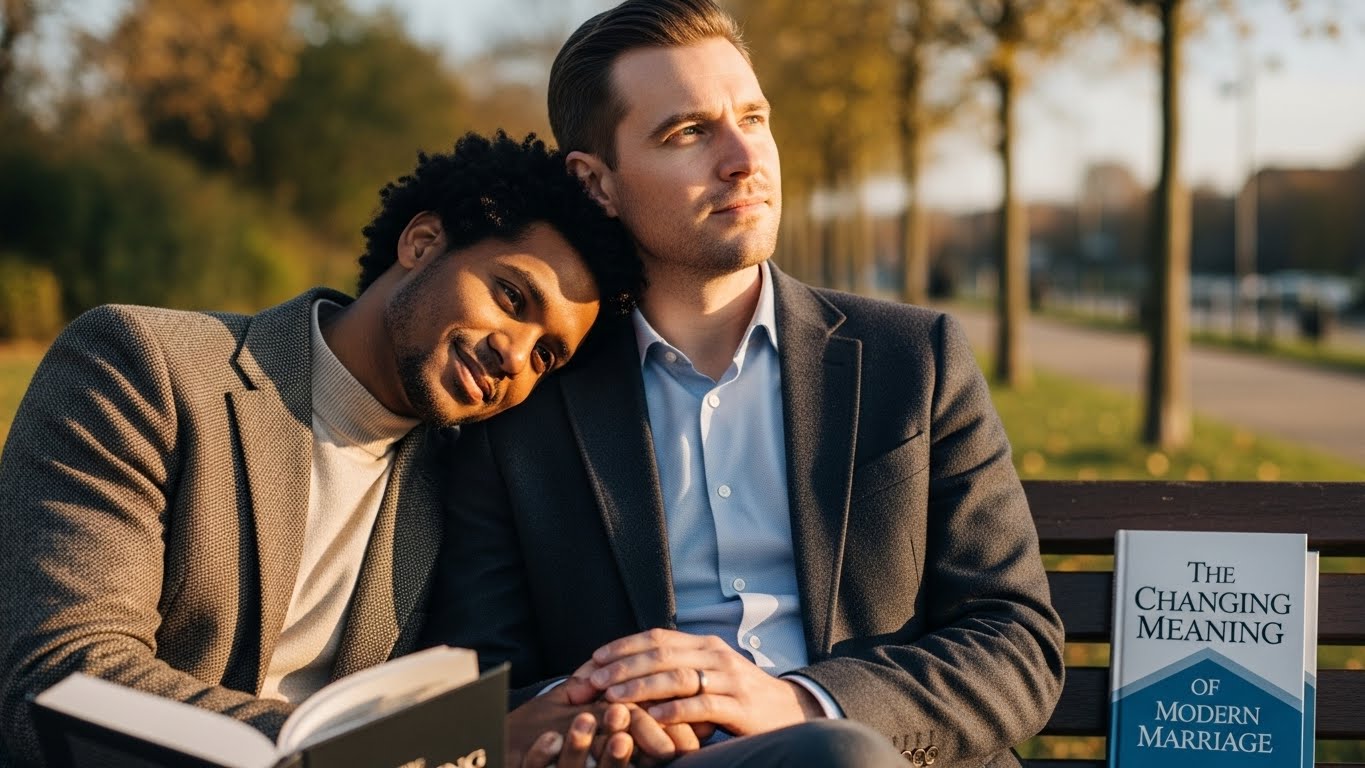
Marriage has always reflected the values, beliefs, and cultural norms of its time. In recent decades, one of the most meaningful shifts in this institution has been the growing visibility and acceptance of gay married men. Their stories are not only about love and commitment but also about social progress, legal recognition, and emotional resilience. As societies evolve, these marriages are reshaping how partnership, family, and equality are understood across the world.
Understanding Gay Married Men in Today’s Society
The concept of gay married men goes beyond legal paperwork or ceremonial traditions. It represents years of advocacy, personal courage, and cultural change. For many couples, marriage offers emotional security, public acknowledgment, and legal protections that were once inaccessible. Today, these unions are increasingly seen as a natural part of the broader social fabric rather than an exception.
While acceptance varies by region, the visibility of married same-sex couples has helped normalize diverse family structures. Media representation, legal reforms, and open conversations have all played a role in reducing stigma and increasing understanding.
Historical Context of Same-Sex Marriage
Before same-sex marriage was legally recognized in many countries, gay couples relied on informal commitments. These relationships were often strong but lacked institutional support. The journey toward recognition was shaped by activism, court rulings, and changing public opinion.
Legal Milestones That Shaped Marriage Equality
Marriage equality did not happen overnight. It resulted from decades of legal challenges and social movements. The recognition of same-sex marriage allowed couples to access rights such as inheritance, healthcare decisions, and tax benefits.
| Era | Legal Status | Social Impact |
|---|---|---|
| Pre-2000 | No recognition | Relationships remained private |
| Early 2000s | Civil unions | Limited legal rights |
| Post-2010 | Full marriage rights in many countries | Broader acceptance and visibility |
These milestones created a foundation for long-term stability and recognition for many couples.
Emotional Foundations of Gay Marriages
At the heart of every marriage lies emotional connection. Gay married men often describe their relationships as deeply intentional, built through communication and mutual respect. Because many couples faced external challenges before marriage, emotional bonds are frequently strengthened through shared experiences.
Communication and Trust as Core Elements
Strong communication is often cited as a defining trait in successful same-sex marriages. Many couples prioritize open dialogue, emotional honesty, and shared decision-making.
| Relationship Element | Role in Marriage |
|---|---|
| Trust | Builds long-term security |
| Communication | Prevents misunderstandings |
| Emotional support | Encourages personal growth |
These elements contribute to lasting partnerships grounded in equality.
Social Acceptance and Cultural Shifts
Public perception of gay married men has shifted significantly in recent years. While discrimination still exists in some regions, broader cultural acceptance has allowed couples to live more openly.
Media Representation and Visibility
Positive representation in television, films, and literature has helped humanize same-sex marriages. Seeing healthy, loving couples portrayed in everyday contexts challenges outdated stereotypes and fosters empathy.
Workplace and Community Inclusion
Many workplaces now recognize same-sex spouses, offering equal benefits and protections. Community support networks also play a crucial role in creating inclusive environments.
| Area of Life | Change Observed |
|---|---|
| Media | More balanced portrayals |
| Workplaces | Equal spousal benefits |
| Communities | Increased social acceptance |
These changes contribute to a sense of belonging and normalcy.
Legal and Financial Considerations
Marriage brings legal responsibilities along with benefits. For gay married men, legal recognition ensures fairness and protection in areas such as property ownership, healthcare, and parental rights.
Financial Planning and Security
Joint finances often require thoughtful planning. Married couples benefit from shared assets, tax considerations, and long-term financial strategies.
| Financial Aspect | Benefit |
|---|---|
| Joint ownership | Legal clarity |
| Insurance access | Spousal coverage |
| Estate planning | Protected inheritance |
These protections help couples build secure futures together.
Parenting and Family Life
Many gay married men choose to become parents through adoption, surrogacy, or previous relationships. Research consistently shows that children thrive in loving, supportive environments regardless of parental gender.
Creating Nurturing Homes
Parenting within same-sex marriages often emphasizes empathy, communication, and emotional awareness. These qualities contribute positively to child development.
| Parenting Focus | Positive Outcome |
|---|---|
| Emotional support | Strong self-esteem |
| Stability | Healthy development |
| Open communication | Trust and confidence |
Family life within these marriages reflects commitment and care.
Mental Health and Well-Being
Marriage can positively impact mental health by offering companionship and emotional stability. For many couples, legal recognition reduces stress associated with social invisibility or legal uncertainty.
Addressing External Pressures
Despite progress, some couples still face discrimination. Support systems such as counseling, community groups, and peer networks help individuals navigate these challenges.
| Support Type | Benefit |
|---|---|
| Counseling | Emotional resilience |
| Community groups | Shared understanding |
| Advocacy networks | Social empowerment |
Access to these resources enhances overall well-being.
Challenges Still Faced by Married Same-Sex Couples
While progress is evident, challenges remain. Legal recognition is not universal, and cultural attitudes differ widely. Some couples encounter resistance from family members or communities.
Navigating Cultural Differences
In more traditional societies, acceptance may be slower. Couples often balance personal authenticity with cultural expectations, finding strength in mutual support.
| Challenge | Coping Strategy |
|---|---|
| Social stigma | Education and dialogue |
| Legal gaps | Advocacy and awareness |
| Family resistance | Patience and communication |
These strategies help couples maintain resilience.
The Future of Marriage Equality
The future looks increasingly inclusive. Younger generations tend to view marriage equality as a given rather than a debate. Continued advocacy and education are likely to expand acceptance worldwide.
Long-Term Social Impact
As more couples live openly, same-sex marriages will continue influencing societal norms. Their visibility reinforces the idea that love, commitment, and responsibility define marriage.
| Future Trend | Expected Outcome |
|---|---|
| Legal expansion | Broader equality |
| Cultural acceptance | Reduced stigma |
| Representation | Normalization of diversity |
These trends point toward lasting change.
Why Gay Married Men Matter in Modern Society
The presence of gay married men in society highlights the evolving definition of family and partnership. Their marriages demonstrate that commitment transcends gender and challenges traditional assumptions.
By embracing diversity, societies become more compassionate and inclusive. These marriages are not separate from the institution of marriage; they are part of its ongoing story.
Conclusion
The journey of gay married men reflects broader social transformation. From legal recognition to emotional fulfillment, these marriages embody resilience, love, and progress. As acceptance continues to grow, their stories will remain an essential part of modern marriage narratives.